
Tip & Trick
Mastering keyboard shortcuts can drastically improve your workflow. These 10 often-overlooked symbols starting with 'A' offer quick access to hidden features in Windows, Mac, and productivity apps—perfect for power users and beginners alike.
Alt Key for Menu Access

Stuck in a frozen app or navigating Windows without a mouse? The Alt key is your silent hero—press it once to access the system menu (File, Edit, View) in any window, then use arrow keys to select options. This zero-config shortcut works across Windows, Linux, and even some Mac apps, making it the ultimate accessibility tool for keyboard-only users.
Need to troubleshoot a stuck application? Hold Alt + F4 to force-close it instantly. Or use Alt + Tab to switch between open programs without lifting your hands. The Alt key also unlocks hidden menu options in games (like weapon selection in shooters) and browser shortcuts (Alt + D to highlight the address bar). For developers, it’s the gateway to debugging tools and console commands in many applications.
Perfect for accessibility advocates, power users, and gamers, this underrated key turns your keyboard into a full control hub—no mouse required. Master it, and you’ll navigate your system like a pro. 💪
At Symbol (@) for Email Addresses

Your inbox is the digital front door to communication—yet most people type the @ symbol without realizing it’s the invisible glue holding email addresses together. Whether you’re signing up for a service, messaging a colleague, or coding a script, this tiny symbol is the universal separator that defines how systems route your messages across the internet.
On a standard US keyboard, the @ symbol lives on the same key as 2 (Shift + 2). For European layouts, it’s often accessed via Alt Gr + Q. In programming, it’s used for dictionary syntax in Python or email validation in regex. Social media handles, API keys, and even some file naming conventions rely on it—yet many users still hunt for it in character maps or copy-paste it from web pages.
Perfect for developers, marketers, and casual users, mastering this symbol means fewer interruptions when typing addresses and a deeper understanding of how digital communication actually works. No more guessing—just type it directly and keep the flow going. ✨
Angle Brackets (<>) for Coding

If you’ve ever stared at a line of code and wondered how those mysterious < > symbols work, you’re not alone. These angle brackets are the backbone of structured data in coding—think HTML tags, XML elements, or even template syntax in languages like JavaScript.
In HTML, they define tags like <div> or <p>, while in XML, they structure data hierarchically. Typing them is simple: most keyboards have them near the P key (left shift + comma/semicolon). For developers, mastering them means cleaner, more readable code and faster debugging.
Whether you're building a website or parsing configuration files, angle brackets are your secret weapon. They’re also the reason your browser knows a <h1> is a heading, not just random text. 💻
Arrow Keys for Navigation
Think of the arrow keys as your digital Swiss Army knife—they’re not just for moving cursors. In Excel or Google Sheets, they let you navigate cells with precision, while in Photoshop or Figma, they enable pixel-perfect adjustments without lifting your hands from the keyboard.
These four keys (↑, ↓, ←, →) work seamlessly with modifiers like Shift (for faster movement) and Ctrl (to scroll in browsers or zoom in design tools). Gamers rely on them for character movement, and developers use them to traverse code lines without a mouse. Pro tip: Pair them with Tab for spreadsheet navigation or Alt + Arrow to snap windows in Windows.
Perfect for anyone who spends hours at a desk—whether you’re crunching numbers, designing graphics, or just browsing. Mastering them cuts down on mouse fatigue and speeds up workflows dramatically. 💻
Ampersand (&) in File Naming
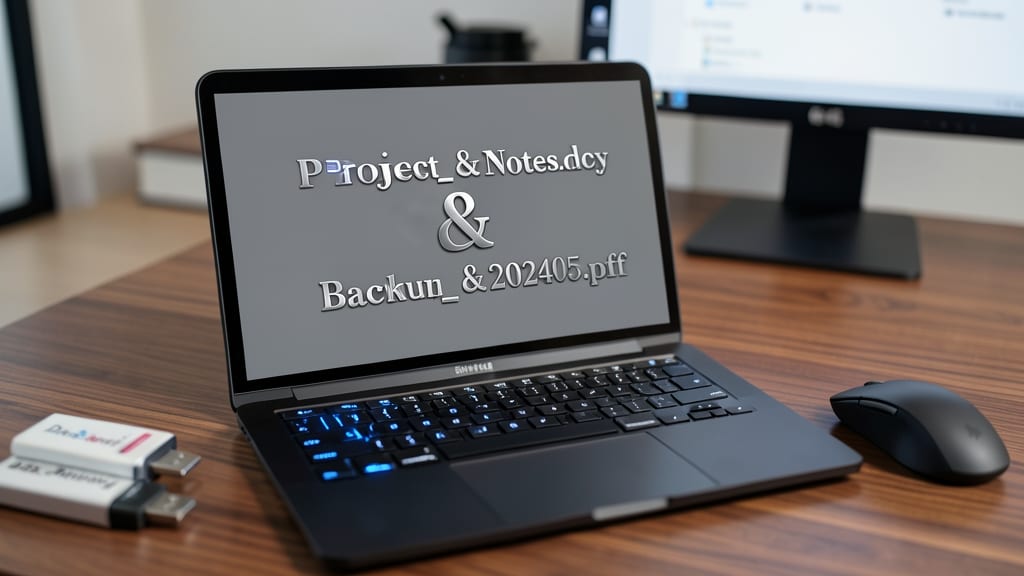
Need a way to organize files without spaces or hyphens? The ampersand (&) is your underrated ally—just type it directly on your keyboard (Shift + 7) and use it to merge concepts like "Project&Notes.docx" or separate metadata such as "Backup&202405.pdf".
This symbol works seamlessly in batch processing scripts (e.g., Windows cmd or PowerShell) and avoids conflicts in most file systems, though some older systems may flag it as invalid. For developers, it’s also handy in URLs or code comments where spaces aren’t allowed. Just avoid using it in filenames for executable files or system folders.
Perfect for data analysts, script writers, or anyone juggling multiple file versions—just remember to test compatibility in your target environment first. 💻
Accent Grave (`) for Special Characters

The accent grave (`) might look like a simple backtick, but it’s the gateway to diacritics—those tiny marks that transform letters into entirely new characters. Whether you’re typing French, Spanish, or even programming in languages like Python or Markdown, this symbol is your secret weapon.
On US keyboards, it’s usually the key left of 1 (or above Tab on some layouts). Press it, then the base letter (e.g., ` + e = é) to create é, ñ, à, or ç instantly. In code, it’s used for backticks in Markdown or escape sequences in programming. Linguists and multilingual writers rely on it to avoid layout switches.
Developers and non-English speakers will love this for quick typography—no need to hunt for special character menus. ⚡
Asterisk (*) for Wildcards
Need to find files faster or match patterns in data? The asterisk (*) isn’t just a symbol—it’s a wildcard powerhouse that replaces unknown characters in searches, file names, and regular expressions. Whether you're organizing documents or debugging code, this tiny symbol saves time by letting you specify "anything here" in your queries.
In Windows File Explorer, typing report.docx pulls up all files starting with "report" and ending with ".docx." Developers use it in regex (e.g., \d{3}-\d{2}-\d{4}) to match phone numbers or dates, while Git commands like `git log --grep="fix" track specific commits. Even email filters can leverage it to auto-sort messages with asterisks as placeholders.
Perfect for data analysts, developers, and power users, the asterisk turns vague searches into precise filters—no more scrolling through irrelevant files or missed matches. Master it, and you’ll unlock a zero-config shortcut for smarter sorting. ✨
Apple Command Key (⌘) for Mac

If you’ve ever watched a Mac user effortlessly switch apps or undo mistakes with a single keystroke, you’ve witnessed the power of the Command (⌘) key. Unlike Windows’ Ctrl key, this macOS staple is the backbone of effortless navigation, turning repetitive tasks into lightning-fast commands.
Press ⌘ + C to copy, ⌘ + V to paste, or ⌘ + Tab to cycle through open apps—all without lifting your fingers from the keyboard. The Spotlight search (⌘ + Space) and Force Quit (⌘ + Option + Esc) are just two more examples of how this key streamlines workflows. Even screenshot shortcuts like ⌘ + Shift + 4 make it a must-know for productivity.
Windows users often rely on Ctrl + Alt combos, but Mac’s Command key replaces them with simpler, muscle-memory-friendly shortcuts. Perfect for developers, designers, or anyone who spends hours at a computer—it’s the shortcut to smoother, faster computing. ✨
Alt Gr Key for Extended Symbols

Ever wished you could type @, {, }, or | without switching keyboard layouts? The Alt Gr key—often overlooked—is your shortcut to a treasure trove of symbols without lifting a finger from your home row.
On most US and European keyboards, pressing Alt Gr + a key unlocks secondary symbols like @ (Alt Gr + Q), { (Alt Gr + [), or | (Alt Gr + \). This eliminates the need for layout switches, saving time for coders, writers, and gamers alike. For example, Alt Gr + 7 gives you {, while Alt Gr + 8 produces }—perfect for JSON or regex patterns.
Programmers and data analysts will love this for quick syntax entry, while writers can access special characters without hunting through menus. If your keyboard lacks Alt Gr, check for Right Alt—it’s often the same function. ⚡
Alt Text Shortcut (Alt + Print Screen)
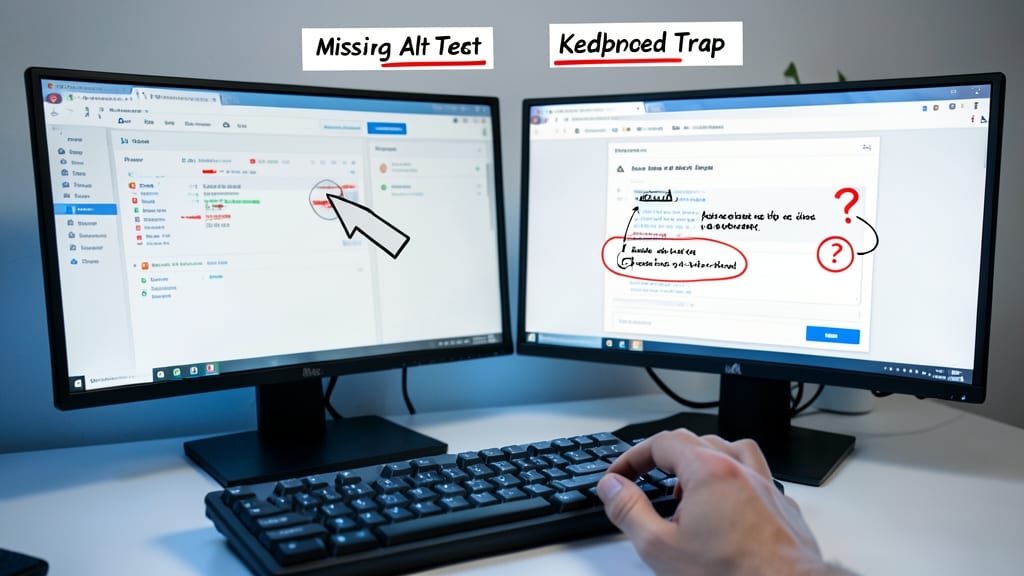
Need to document a bug or create an accessible visual guide? The Alt + Print Screen shortcut isn’t just another screenshot tool—it’s your secret weapon for adding descriptive text directly to images. Unlike standard screenshots, this method lets you annotate right away, making it perfect for tech support tickets or training materials.
On Windows, this combo opens the Snipping Tool with an Alt Text field pre-filled, ensuring your screenshot includes context for screen readers. The one-click annotation feature lets you highlight key areas with arrows or text boxes, while the automatic file naming keeps your docs organized. For Mac users, the built-in Accessibility Inspector integrates similarly, though the shortcut varies slightly.
This is the go-to for developers, support agents, and educators who need clear, documented visuals without extra editing. Master this, and you’ll save hours explaining complex issues with just a few keystrokes. ✨