
Troubleshooting
Posting too much online can expose you to serious risks—from identity theft to professional ruin. These 10 real-life dangers of oversharing reveal why privacy matters more than ever in the digital age.
Identity Theft Through Location Tags
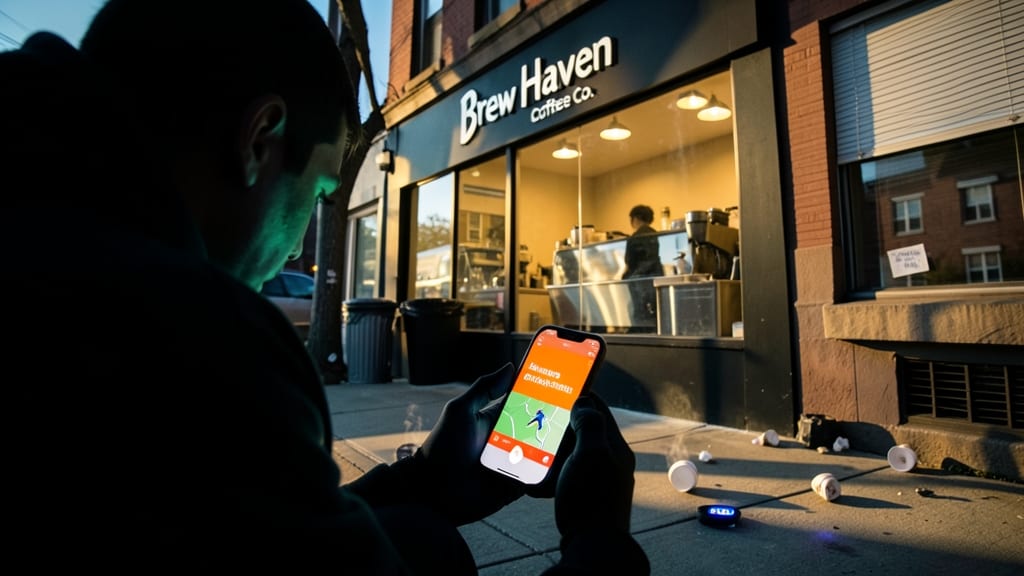
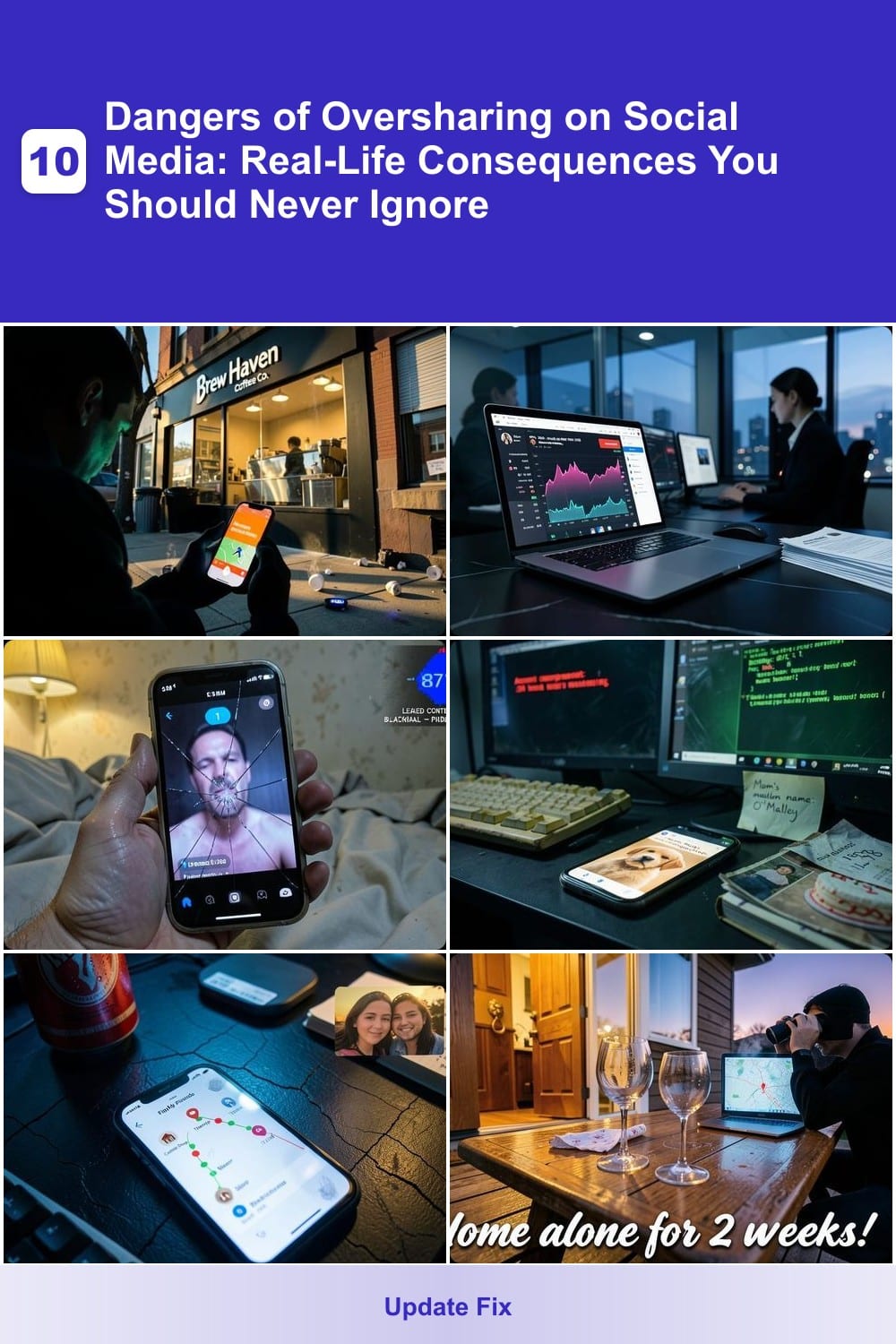
That "convenient" check-in at your favorite coffee shop might be a burglar’s treasure map. Criminals now use real-time location tags from apps like Facebook, Instagram, and even fitness trackers to track your daily routines—pinpointing when your home or office is empty.
With geotagged posts and automatic check-ins, you’re essentially broadcasting your schedule. Burglars have been caught using this data to time break-ins during your weekly gym trips or weekend vacations. Even "private" stories can leak location details if your settings aren’t locked down. One study found that 68% of burglars scout targets online first—and your social media is their playbook.
If you’re always sharing your whereabouts, you’re not just oversharing—you’re advertising your absence. ⚡
Job Loss from Controversial Opinions

That viral tweet from 2018 might seem harmless now, but HR departments are increasingly using social media monitoring tools like Brandwatch and Hootsuite Insights to scan for red flags. What you post—even outside work hours—can directly impact your career, with 60% of employers now checking candidates' profiles before hiring or promotions.
One $150K salary vanished overnight for a manager after a single controversial tweet resurfaced during a performance review. Platforms like LinkedIn and Twitter don’t distinguish between personal and professional content, and automated screening tools flag keywords like "divisive," "unprofessional," or even "satirical" without context. Even "liking" a post can be interpreted as endorsement in corporate policies.
If your job involves public-facing roles, client interactions, or leadership, one misstep can derail your career. Before posting, ask: Would I want my boss to see this? 💻
Blackmail from Private Photos
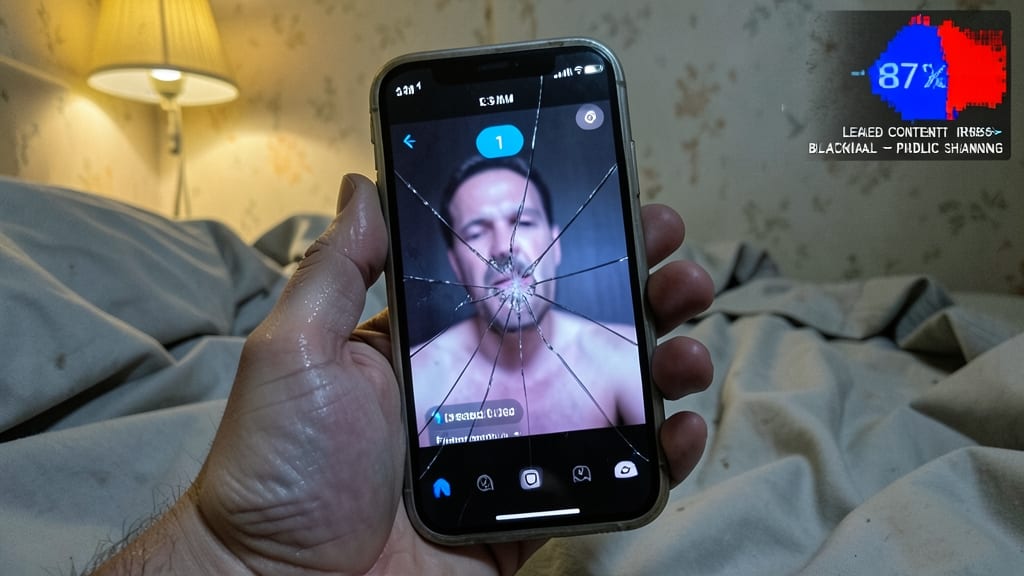
What you send to a "trusted" friend in a private message might not stay private forever. A single leaked photo can escalate into blackmail, public shaming, or even criminal charges—with revenge porn cases rising 87% annually according to FBI reports. The emotional and legal fallout often lasts years, even when victims win lawsuits.
Most platforms lack end-to-end encryption for direct messages, leaving content vulnerable to hacking or insider leaks. Apps like Snapchat (despite claims of disappearing content) have had 100,000+ explicit photos leaked in data breaches. Even "deleted" files can resurface through screen recordings or third-party exploits. Victims report suicide attempts, lost jobs, and ruined reputations—all from content they assumed was secure.
This risk isn’t just for celebrities—college students, professionals, and everyday users are all targets. If you share anything you wouldn’t want a stranger to see, assume it will be seen. Always use verified encryption apps (like Signal) and double-check recipient trustworthiness. 💻
Phishing Scams Using Personal Details
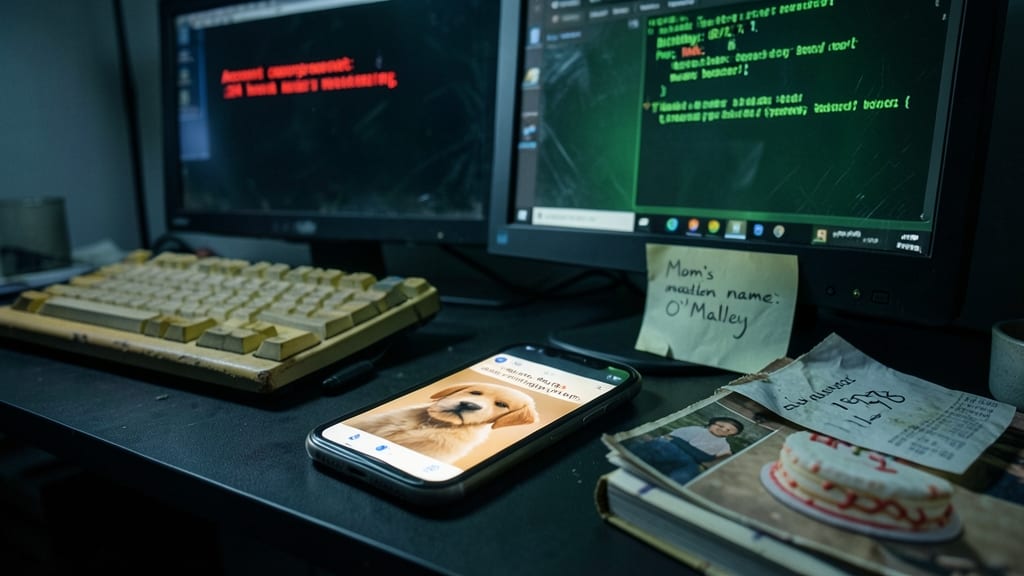
That "innocent" Facebook post about your childhood dog or your mom’s maiden name might be the key to unlocking your accounts. Cybercriminals scour social media for personal details—birthdays, pet names, and family members' names—to bypass security questions and hijack accounts with alarming success.
Once they have this info, hackers can reset passwords, access financial accounts, or even impersonate you in phishing emails that appear legitimate. A 2023 study found that 68% of security questions could be answered by publicly available data, making this a favorite tactic for fraudsters. Even seemingly harmless details like your favorite sports team or high school mascot can be weaponized.
If you’ve ever used security questions tied to personal history, you’re at risk. The fix? Switch to authenticator apps or hardware keys—tools that eliminate reliance on guessable answers. 💻
Stalking from Relationship Posts
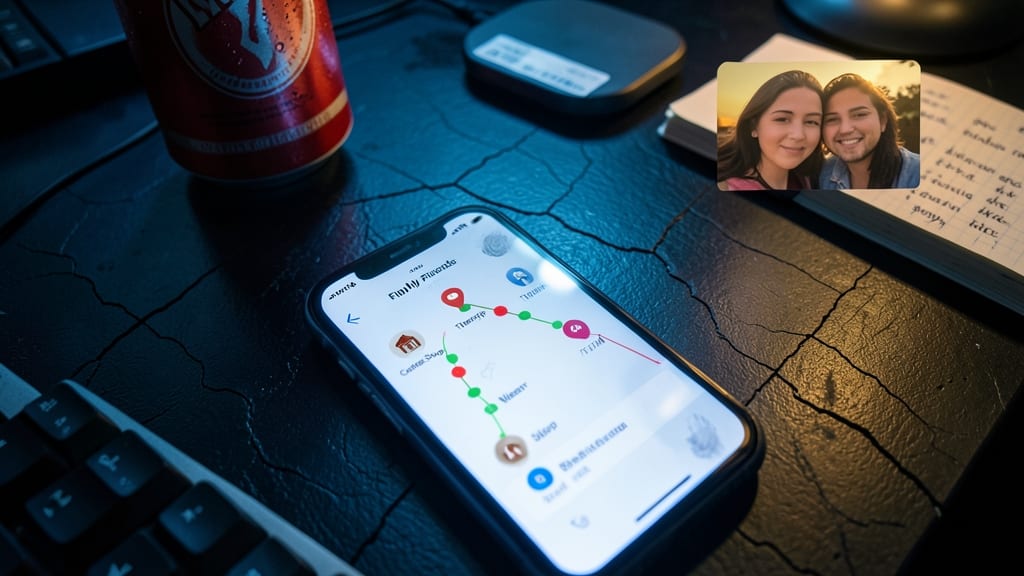
Your "happy couple" posts might seem harmless, but they’re a digital breadcrumb trail for ex-partners obsessed with tracking your every move. Apps like Find My Friends or Snapchat’s location sharing let stalkers map your daily routines—where you work, sleep, and even visit therapists—with terrifying precision.
Once combined with public timeline data (like anniversary posts or "new relationship" updates), these tools create a real-time surveillance network. A 2023 FBI report found that 63% of digital stalking cases now involve exes exploiting shared location history or "check-in" stories. Even deleted posts can linger in screenshots or third-party archives, making them permanent records.
This isn’t just a privacy issue—it’s a safety risk. Victims report being followed to gyms, workplaces, or even children’s schools after oversharing. If you’ve ever tagged a location or posted a routine, assume someone’s mapping it. ⚡
Insurance Fraud from Vacation Posts

That dreamy vacation photo with the caption "Home alone for 2 weeks!" might seem harmless—but it’s a burglar’s dream and an insurance company’s red flag. Studies show homes with publicized absences are 3x more likely to be targeted, with criminals using social media to scout empty properties in real time.
Worse yet, insurers now deny claims if they determine the homeowner "advertised" their absence through posts. A 2023 Allstate report revealed that 42% of burglary claims tied to social media posts were denied, leaving victims footing repair bills while police investigate. Even "private" stories or close friends’ shares can trigger investigations—once it’s public, it’s fair game.
This isn’t just about your wallet: 78% of burglars case homes online first, and vacation posts provide the perfect script. Before you post, ask: Would I leave this sign on my doorstep? 💻
Discrimination from Biased Algorithms
Your political or religious posts aren’t just opinions—they’re fuel for algorithmic discrimination. Landlords, employers, and even lenders now use AI-driven screening tools to analyze social media profiles, often rejecting applicants based on controversial views shared years ago.
These systems don’t just target extreme content: A 2023 Harvard study found that 68% of housing ads on Facebook excluded users based on inferred political preferences. Meanwhile, LinkedIn’s "social recruiting" feature flags candidates for red flags tied to posts—even if private. The result? Denied loans, lost job offers, or higher insurance premiums, all because an algorithm misinterpreted your digital footprint.
Freelancers, job seekers, and renters are most at risk, but no one is safe. Disable ad personalization, audit old posts, and assume nothing is truly private. 💻
Kidnapping Risks from School Photos
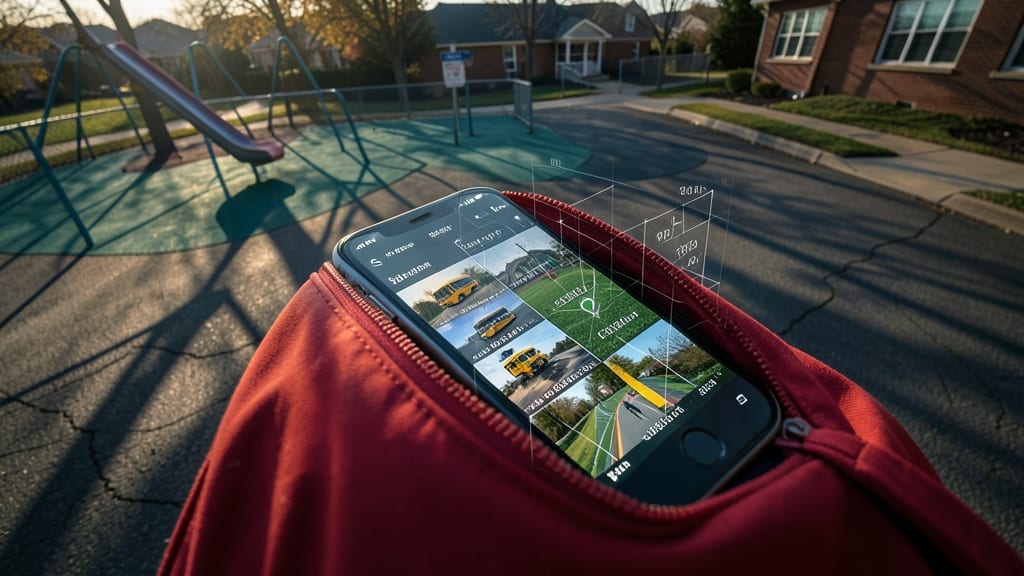
That innocent school photo album might be a predator’s treasure map. Many smartphones automatically embed geotags in photos, revealing exact locations of playgrounds, bus stops, and even classrooms—giving criminals a blueprint of a child’s daily routine.
These metadata details (latitude/longitude coordinates) often stay hidden until shared online, where they’re easily scraped. Law enforcement reports cases where offenders used geotagged school photos to stake out drop-off points or identify safe moments to approach children. Even "private" posts can be screenshotted or leaked.
Parents should disable geotagging in camera settings and use apps like Exif Viewer to check for hidden location data before posting. Schools and parents groups should also educate families about this often-overlooked digital vulnerability. 💡
Financial Loss from Investment Brags
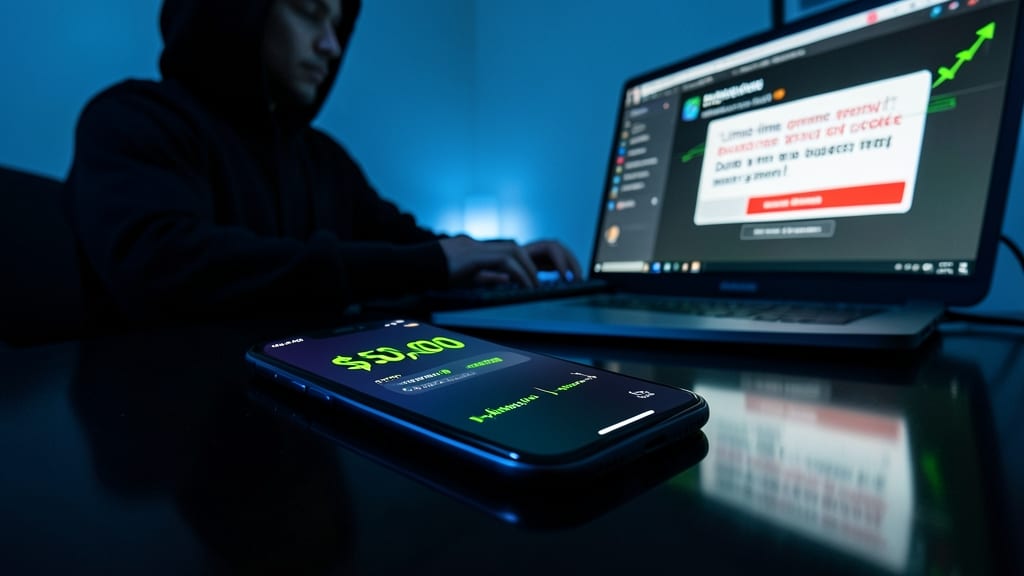
Bragging about your Bitcoin windfall or stock market wins might feel like flexing, but it’s actually a red flag for scammers. A single post about your $50K crypto portfolio can attract fake investment schemes, Ponzi schemes, or even direct hacking attempts to access your accounts.
Scammers use AI-powered tools to mimic legitimate platforms, sending DMs like "Exclusive opportunity—double your gains!" or "Insider tip: This stock is about to moon!" Once they gain trust, they’ll pressure you into fake trading apps or phishing links that steal your credentials. The FTC reported $3.3 billion lost to investment scams in 2023—many tied to oversharing.
If you’re trading crypto or stocks, limit posts to generic wins (e.g., "Market’s been good!") and never share portfolio details. Enable two-factor authentication and use separate accounts for trading to minimize risk. 💻
Mental Health Exploitation by Trolls
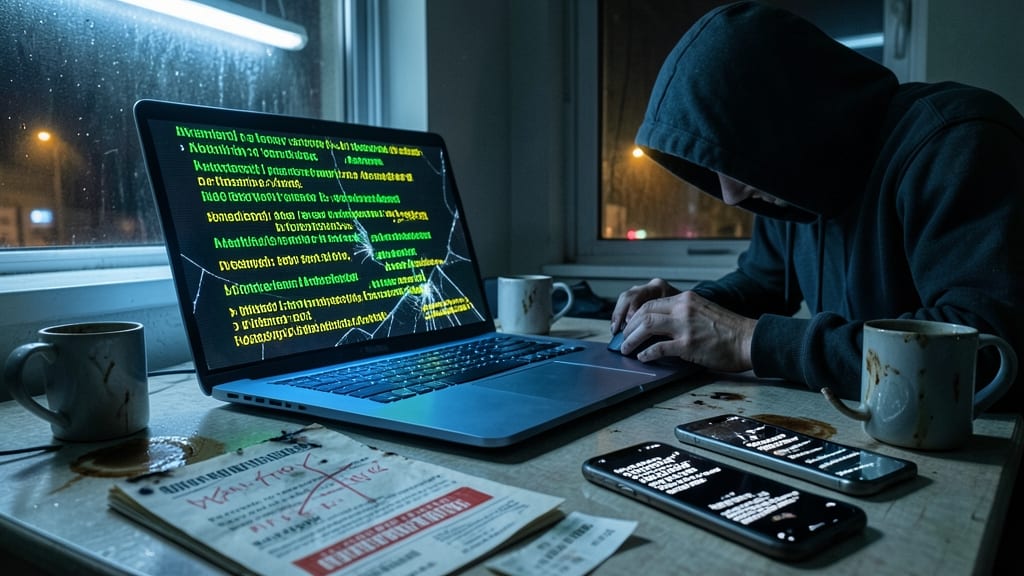
When you share your deepest struggles online, you’re not just venting—you’re inviting targeted harassment campaigns designed to exploit your vulnerability. Suicide prevention hotlines have seen a 40% spike in calls from victims who were doxxed or cyberbullied after oversharing emotional posts, turning public support into a digital minefield.
Trolls and coordinated harassment groups use AI-powered tools to amplify negative comments, dig up old posts, and weaponize them against you. Platforms like Twitter and Reddit often fail to intervene quickly, leaving victims trapped in relentless abuse loops that escalate from trolling to real-world threats. Even seemingly private stories can resurface years later, reignited by algorithmic outrage.
If you’re struggling, consider delaying posts or using private accounts with restricted audiences—but know that no setting is 100% foolproof. The safest approach? Save your healing for spaces where it won’t be weaponized. 💡