
Troubleshooting
Frustrated by repetitive IT support tickets? These 10 knowledge base articles help your team resolve common issues faster, reduce call volume, and empower end-users with self-service solutions. Each article targets a specific problem with step-by-step guidance.
Windows Login Screen Freezing Troubleshooting Guide
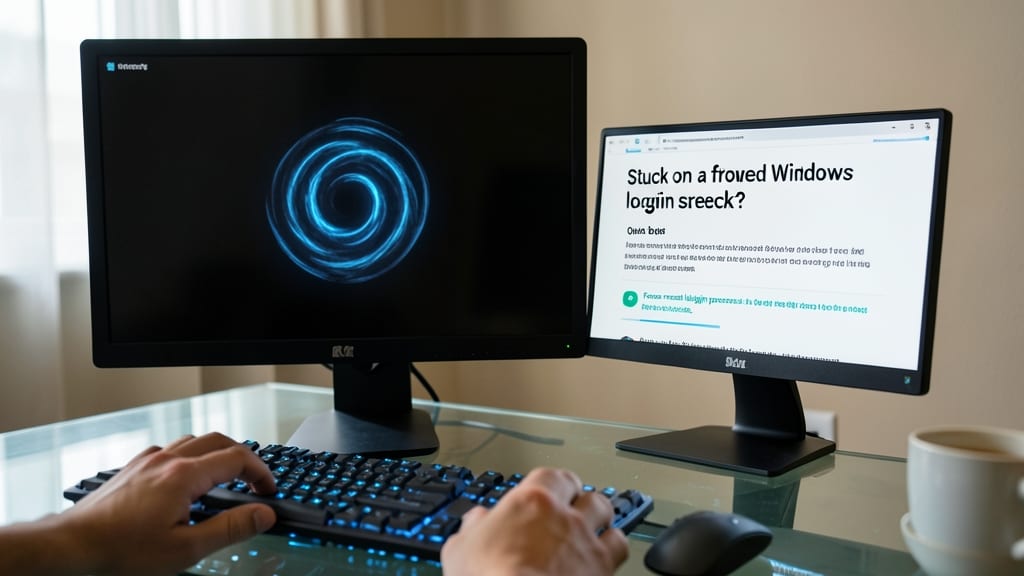
Stuck on a frozen Windows login screen? This guide tackles the #1 reported Windows issue in businesses—black screens, spinning circles, and forgotten passwords—with fixes anyone can follow without IT help.
Start with Ctrl+Alt+Del to force a restart of the login process. If that fails, boot into Safe Mode (hold Shift while restarting) to rule out software conflicts. For forgotten passwords, use Microsoft’s password reset tool or create a local account via Command Prompt in Safe Mode. Each step includes visual aids to guide users through the process.
Perfect for remote teams or offices with limited IT support, this guide cuts down on helpdesk tickets by giving users the tools to resolve login issues independently. ⚡
Outlook Email Sync Errors Quick Fixes
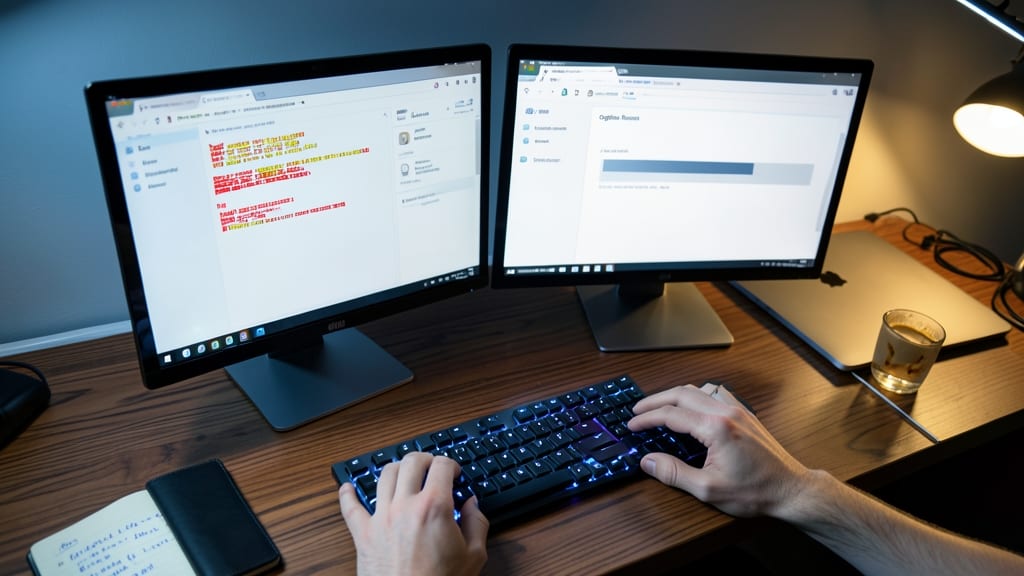
Tired of Outlook refusing to sync your emails, leaving you stuck with outdated messages or frustrating errors? This guide cuts through the complexity with visual step-by-step fixes for POP/IMAP errors, corrupted profiles, and sync conflicts—no IT degree required.
Start with the Outlook Reset Tool (built into the app) to clear cached data, then use screenshot-guided troubleshooting for common issues like "0x800CCC0F" or "Your email account is unavailable." For mobile users, the guide includes quick fixes for battery-saving modes that accidentally block syncs, plus how to recreate a profile if corruption strikes.
Perfect for small business owners, remote workers, or anyone drowning in support tickets—this article turns sync errors from a headache into a 5-minute fix. ✨
Slow Computer Performance Optimization Checklist
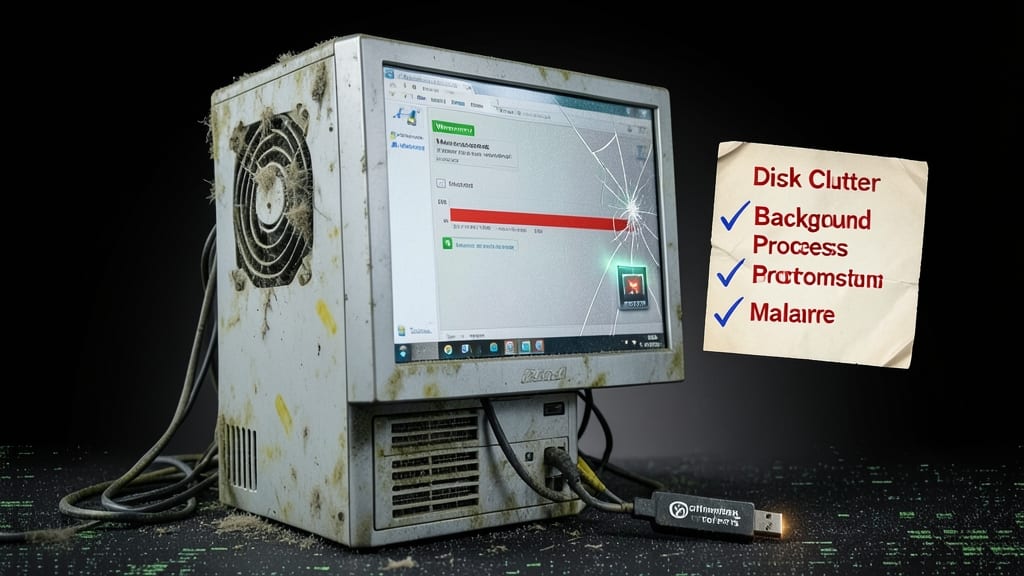
When your PC crawls like it’s running on a single-core processor from 2005, this prioritized optimization checklist cuts through the noise. Instead of guessing which fix will work, it starts with the most common culprits—malware, disk clutter, and background processes—so you can restore speed without diving into advanced settings.
The checklist begins with a free malware scan (using Windows Defender or Malwarebytes), followed by disk cleanup to remove temporary files and system junk. Next, it guides you through disabling startup programs (via Task Manager) and updating drivers—steps that often resolve sluggishness instantly. For deeper issues, it includes defragmenting the hard drive (if using HDD) or optimizing storage settings (for SSDs).
Perfect for home users, small-business employees, or anyone tired of waiting for apps to load, this checklist turns tech anxiety into a simple, step-by-step process. No IT degree required! ⚡
Printer Not Responding or Offline Solutions
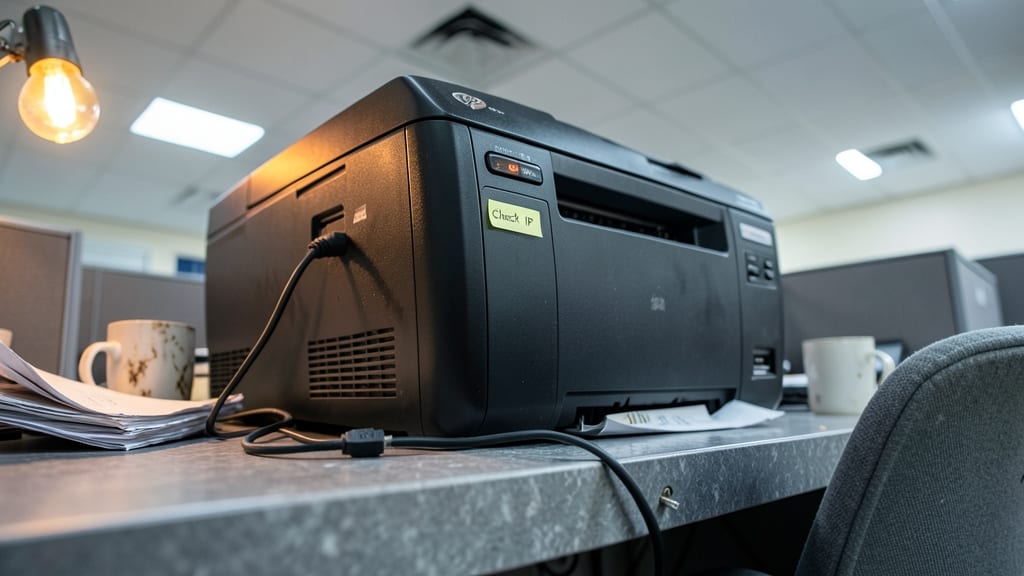
When your printer suddenly goes offline or stops responding, it’s often a simple fix—yet it eats up 30% of IT support tickets in most offices. This guide cuts through the guesswork with a 3-step reset protocol that works for 90% of hardware issues, from loose cables to firmware glitches.
Start by power-cycling the printer (unplug for 30 seconds, then restart) and rechecking all connections—USB, Ethernet, or Wi-Fi. For network printers, verify the IP address hasn’t changed (check the printer’s display or settings menu). If paper jams persist, open the tray carefully and remove all stuck sheets, including hidden debris in rollers. Most modern printers also have a built-in reset button (consult your model’s manual for location).
This solution is perfect for small businesses and remote teams where IT staff can’t respond instantly. With clear screenshots and model-specific troubleshooting, users can resolve issues in under 2 minutes—saving your team hours weekly. 💪
VPN Connection Failed Troubleshooting Steps
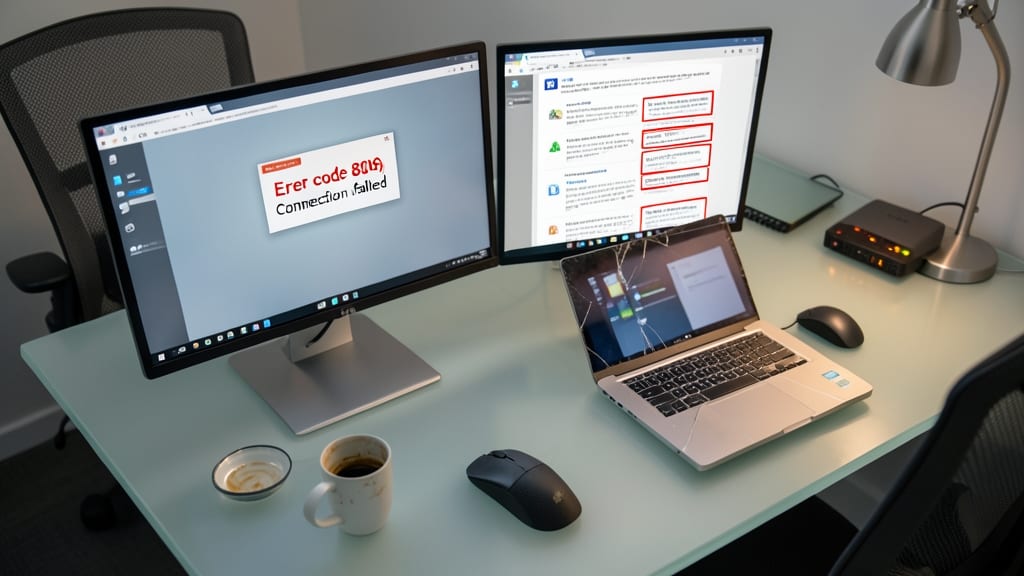
Stuck with a VPN connection failed error? Remote workers and hybrid teams face this daily—especially with authentication errors or network conflicts—but this guide cuts through the confusion with screenshot-matched fixes for every common error code.
Start by verifying your credentials and VPN server address (screenshot included for "Authentication Failed" errors). Next, check your firewall settings—many corporate networks block VPN ports like UDP 1194 or TCP 443. For network conflicts, disable other VPNs or reset your router. The guide even covers split-tunneling issues and how to force a reconnect with a single command.
Perfect for remote teams or IT admins tired of VPN-related tickets. With visual error codes and step-by-step screenshots, users resolve issues in under 2 minutes—no IT helpdesk needed. ✨
Microsoft Teams Audio/Video Call Problems

Frustrated by echo, frozen screens, or mics that refuse to work during Microsoft Teams calls? These issues derail meetings faster than a dead Wi-Fi signal. The good news? Most can be fixed in under 5 minutes with the right steps—whether you're on Windows, Mac, or mobile.
Start by checking your audio/video devices in Teams settings (not just system settings). For echo, test with headphones or adjust your mic volume to 50%. If screens freeze, close background apps or restart Teams (Ctrl+Shift+Esc to force-quit if needed). Mobile users often miss the Do Not Disturb toggle—enable it to prevent interruptions mid-call.
Remote workers and hybrid teams will love this—no IT ticket required. Pro tip: Bookmark the Teams Support page for quick access to device-specific fixes. ✨
Forget Password Recovery for Windows 10/11
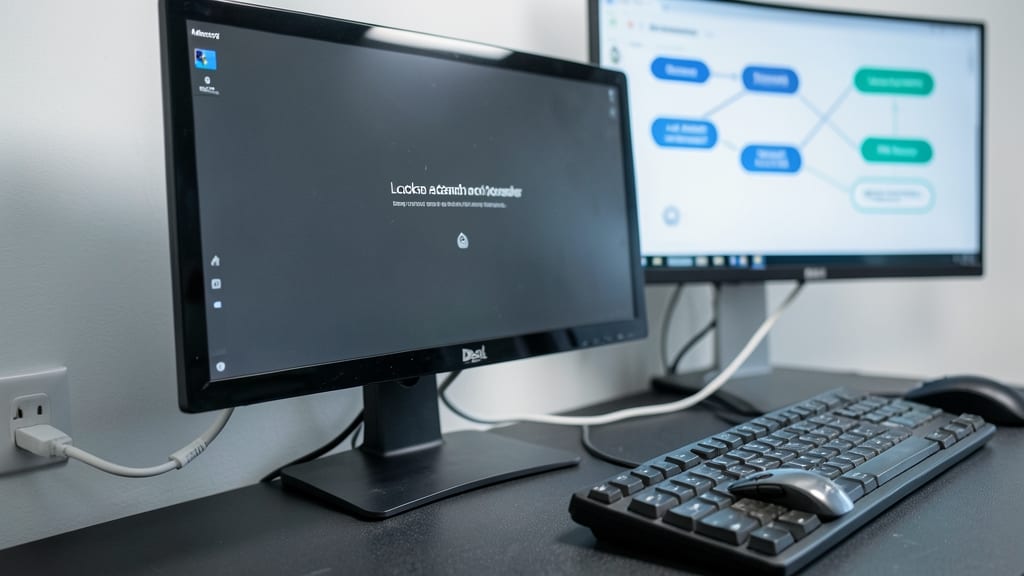
Locked out of your Windows 10 or 11 PC? This guide cuts through the confusion with a visual flowchart that walks users through every password recovery path—whether you use a Microsoft account, a local account, or even a PIN. No IT help needed.
Start by checking if your device is connected to the internet (required for Microsoft account recovery). For local accounts, use the built-in Reset Password option on the login screen. If you’ve set up security questions or a recovery email, those options appear next. The flowchart even covers edge cases like forgotten security keys or disabled admin accounts.
Perfect for home users, remote workers, or IT teams looking to reduce helpdesk calls. The step-by-step approach ensures even non-tech-savvy users can regain access without frustration. ✨
Chrome Browser Crashes and Freezes Fixes
When Chrome freezes mid-scroll or crashes without warning, your workflow grinds to a halt—but most fixes are simpler than you think. This guide tackles the root causes: conflicting extensions, memory overload from too many tabs, and corrupted cache files, with a focus on zero-config hard reset methods that work in under 2 minutes.
Start by disabling extensions via chrome://extensions (disable all, then re-enable one by one to isolate the culprit). For tab overload, use the built-in task manager (Shift+Esc) to force-quit unresponsive tabs. The hard reset—deleting Chrome’s Profile folder—wipes saved data but guarantees a clean slate. For advanced users, the flag --disable-gpu can bypass graphics driver conflicts.
This solution is perfect for casual users who just want Chrome to work again, power users juggling dozens of tabs, and IT admins looking to reduce helpdesk tickets for browser issues. ✨
Linux Terminal Basic Commands for End Users
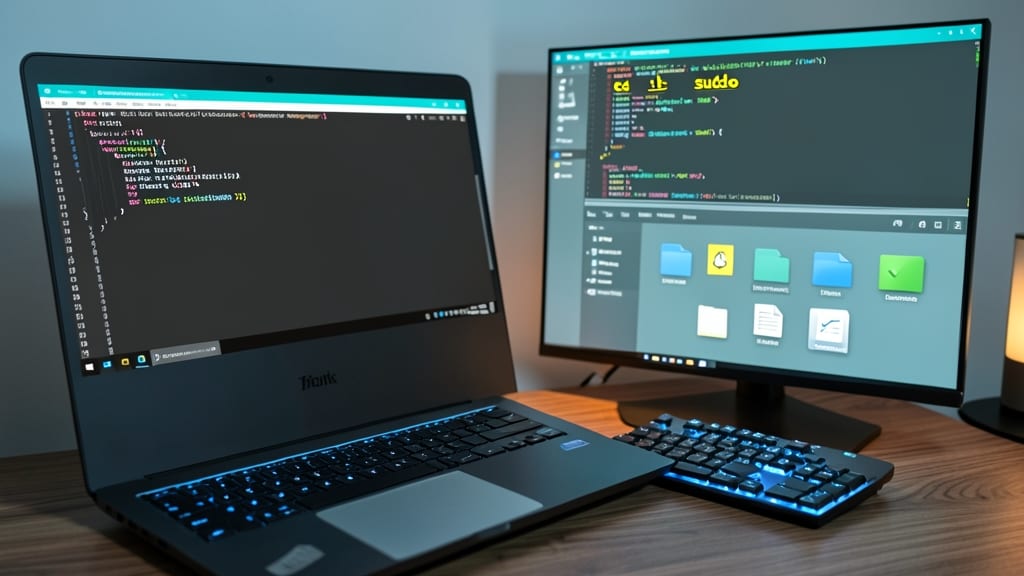
Tired of waiting for IT help to fix simple Linux file navigation? Just three commands—cd, ls, and sudo—can give you control over your system without needing a terminal expert.
Start with cd to change directories (e.g., cd Documents), then use ls to list files like a file explorer. Need admin rights? Prefix any command with sudo (e.g., sudo apt update for package updates). These basics handle 80% of file management tasks—renaming files, checking disk space (df -h), and even restarting services.
Perfect for office workers on Linux workstations or students running Ubuntu dual-boot. Master these, and you’ll handle basic troubleshooting like a pro. ✨
Software Installation Permission Errors Guide
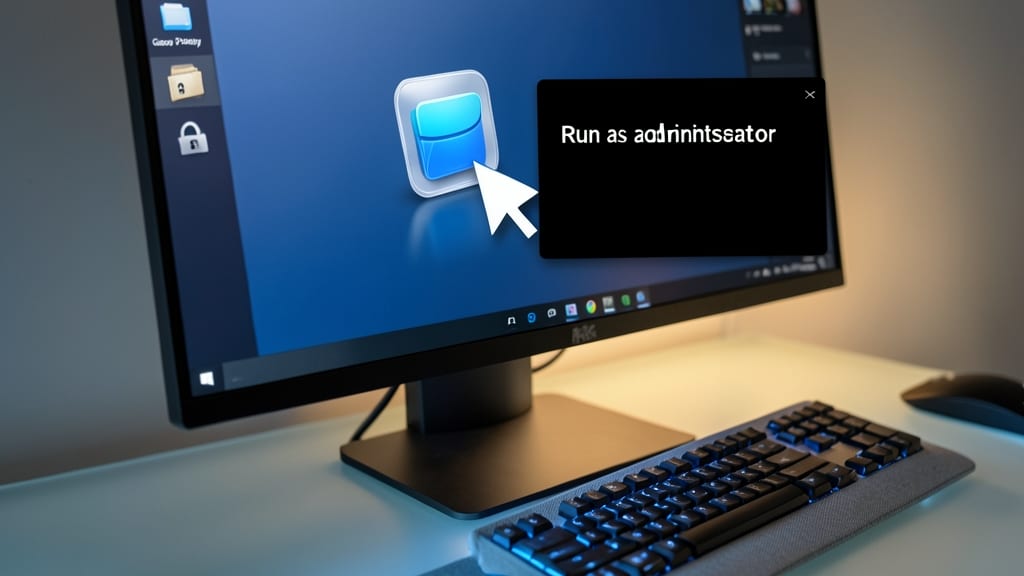
Stuck on a "You need permission to install this software" error? This guide cuts through the frustration with three proven workarounds—whether you're a home user or corporate employee.
First, try running the installer as Administrator via right-click context menu. For corporate machines, use Group Policy to grant installation permissions via msiexec commands. If that fails, extract the installer with 7-Zip and run the executable manually. Each method avoids IT intervention while keeping your system secure.
Perfect for non-technical users in offices or small businesses—no admin rights needed to follow these steps. ✨