
Operating System
Cyber threats evolve daily, but internal safeguards remain your first line of defense. These 10 proven strategies empower cybersecurity leaders to fortify company data against breaches, leaks, and insider risks—without relying solely on external solutions.
Zero Trust Network Access Implementation

Tired of hoping your firewall is enough? Zero Trust Network Access (ZTNA) flips the script by assuming breach is inevitable—and acts accordingly. Instead of blindly trusting devices inside your network, it verifies every single connection, every time, using multi-factor authentication and device posture checks.
This approach slashes lateral movement risks (where hackers jump between compromised accounts) by 90% or more, according to Forrester. Solutions like Zscaler Private Access or Cisco Duo integrate with your existing identity providers while adding continuous monitoring—no VPN complexity required. Even legacy systems get protection through micro-segmentation, isolating critical assets automatically.
Perfect for finance, healthcare, or R&D teams where IP theft or data leaks could cripple operations. Start with pilot departments handling sensitive data—your legal and compliance teams will thank you. ✨
Automated Data Classification Policies

Tired of manually sorting through files to enforce compliance? Automated Data Classification Policies use AI to analyze and tag data in real-time, ensuring sensitive documents—like HIPAA-protected patient records or financial ledgers—receive the right access controls automatically.
Solutions like Microsoft Purview or Varonis scan files for keywords, metadata, and patterns, then apply role-based encryption or access restrictions without IT intervention. For example, a confidential contract might trigger just-in-time access, while public-facing documents stay open. These systems also generate compliance reports for audits, cutting manual review time by up to 80%.
Ideal for healthcare providers, banks, and legal firms, this approach shifts data protection from a reactive chore to a self-sustaining shield. ✨
Privileged Access Management System
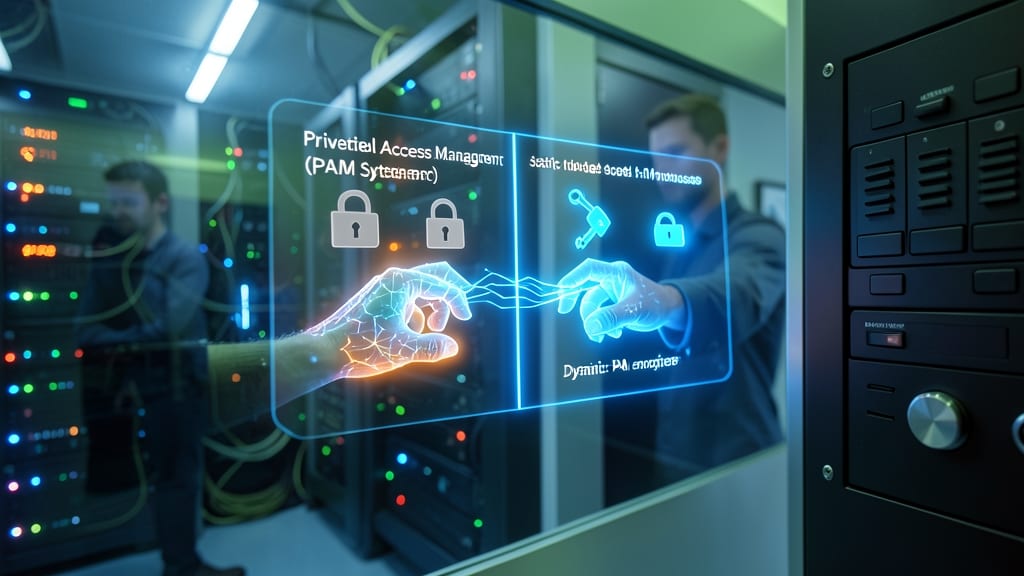
Ever wondered how to stop credential abuse before it starts? A Privileged Access Management (PAM) system grants admin-level permissions only when absolutely needed—then revokes them immediately after. Unlike static roles, PAM enforces just-in-time access, slashing the window for misuse.
Solutions like CyberArk or BeyondTrust integrate with Active Directory to track every privileged session. They enforce multi-factor authentication (MFA) for elevation requests and log every command executed. For example, a finance team member might get temporary SQL database access for an audit—but only for the duration of the task.
This is non-negotiable for IT admins and finance teams handling sensitive systems. It’s the difference between a breach and a secure environment. 💪
Endpoint Detection and Response Deployment

When every device—from laptops to BYOD smartphones—connects to your network, Endpoint Detection and Response (EDR) acts as your silent sentinel. Unlike traditional antivirus, EDR doesn’t just scan for known threats; it analyzes behavioral patterns in real-time to stop zero-day attacks before they execute. For remote teams with mixed Windows, macOS, and Linux endpoints, this is the difference between a contained breach and a full-blown data spill.
Solutions like CrowdStrike Falcon or Microsoft Defender for Endpoint deliver sub-second threat detection, automated containment, and forensic insights without overwhelming IT teams. They integrate with your existing SIEM tools and offer cloud-based management, so you’re not stuck managing on-premises servers. The best part? Many EDR platforms now include AI-driven anomaly detection to flag suspicious processes—like a sudden spike in encrypted traffic—that even seasoned attackers might miss.
This is the safeguard for organizations where device diversity meets remote flexibility. Whether your workforce spans Denver’s co-working spaces or global offices, EDR ensures no endpoint becomes a weak link. 💻
Insider Threat Detection Software

Not all data breaches come from outside hackers—sometimes, the biggest threats sit right at your conference table. Insider threat detection software like Exabeam Fusion or Splunk User Behavior Analytics specializes in spotting suspicious patterns before they escalate, such as employees downloading gigabytes of data in minutes or logging in at 3 AM when they’ve never done so before.
These tools use AI-driven anomaly detection to analyze user behavior across emails, file access, and network activity, flagging deviations from normal patterns. For example, if an HR manager suddenly starts copying customer databases to a personal cloud account, the system alerts security teams instantly. Many solutions also integrate with SIEM platforms for seamless incident response workflows.
This is a must-have for industries handling highly sensitive data—like legal, healthcare, or finance—where accidental leaks or malicious insiders could cause irreversible damage. 💻
Multi-Factor Authentication Enforcement
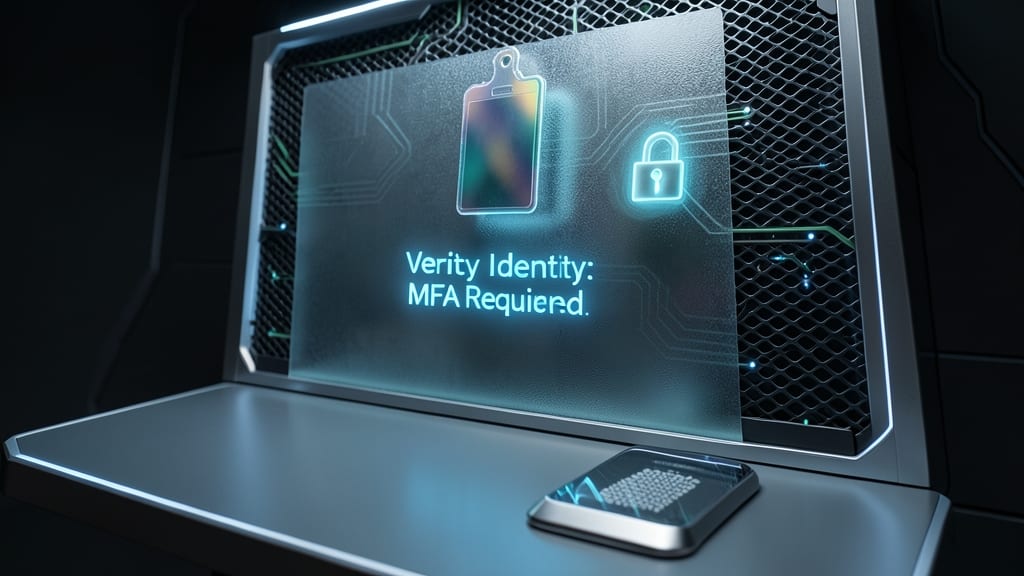
Forget hoping passwords alone will stop attackers—multi-factor authentication (MFA) enforcement adds a second verification layer that blocks 99.9% of automated attacks before they even reach your systems. This isn’t just another checkbox; it’s the digital equivalent of a bouncer at the door, ensuring only authorized users gain access.
Modern MFA solutions like Microsoft Authenticator, Duo Security, or Google Authenticator integrate seamlessly with your existing login workflows. They support push notifications, biometrics, or hardware tokens, and can be enforced company-wide in minutes—no complex infrastructure required. The cost? Often under $5 per user annually, making it one of the most budget-friendly safeguards with outsized returns.
Whether you’re a small business with remote teams or an enterprise managing thousands of accounts, MFA enforcement is the low-effort, high-impact upgrade your security posture needs. 🌟
Regular Security Awareness Training Programs

Even the most advanced firewalls and encryption can’t stop employees from clicking malicious links—yet 70% of successful breaches start with human error. Regular security awareness training programs turn your workforce into the strongest link in your defense chain by blending simulated phishing tests with interactive modules that teach real-world threat recognition.
Platforms like KnowBe4 or Proofpoint deliver quarterly phishing simulations with customizable scenarios (e.g., fake invoice scams or CEO impersonations) and instant feedback. Gamified modules—like cybersecurity escape rooms or role-playing exercises—boost engagement, while automated reports show progress over time. The result? Employees spot red flags faster, and attack success rates plummet.
This isn’t just for Fortune 500s—small teams benefit too, especially in industries like healthcare or finance where compliance mandates training. Start with a monthly phishing test and track improvements to build a culture where security isn’t just policy, but habit. 💡
Immutable Backup and Recovery Systems
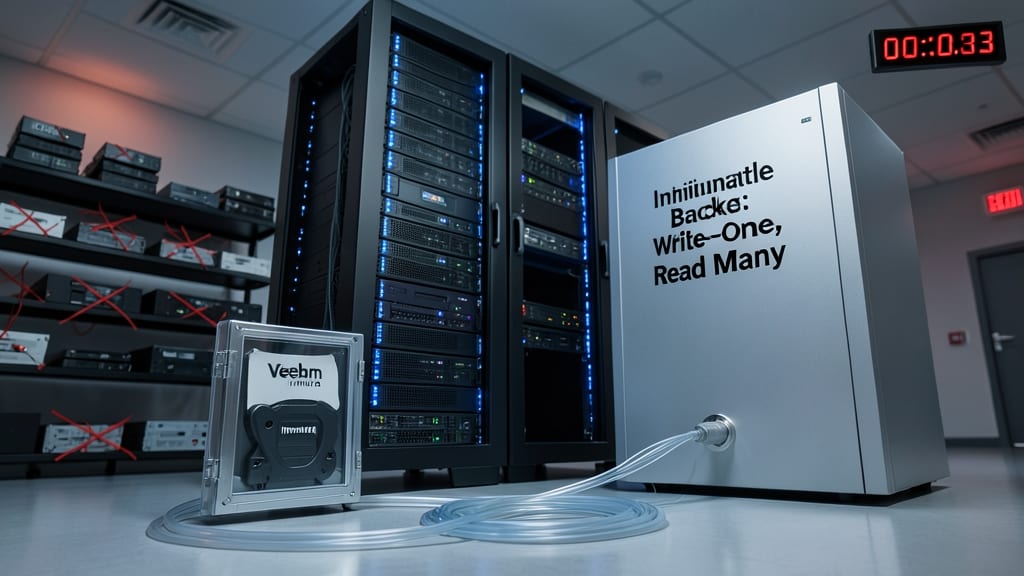
When ransomware locks your files, standard backups become useless if they’re connected to the same network. Immutable backup systems solve this by storing copies in write-once, read-many (WORM) storage or air-gapped environments, making them untouchable by cybercriminals.
Solutions like Veeam Immutable Backup or AWS Backup with S3 Object Lock ensure backups can’t be altered or deleted—even by admins—until a predefined retention window expires. For physical air-gapped setups, Iron Mountain’s digital vaults or Dell EMC’s PowerVault provide offline redundancy. These systems recover data in minutes, not days, during a breach.
This is a must-have for healthcare providers (HIPAA compliance), legal firms (client confidentiality), and manufacturers (IP protection). No ransomware can encrypt what it can’t access. ✨
Vendor Risk Assessment Framework

Your supply chain is only as strong as your weakest vendor—but what if you could quantify that risk before granting access? A Vendor Risk Assessment Framework (VRAF) systematically evaluates third-party security posture, ensuring outsourced cloud services, SaaS providers, or contractors meet your company’s internal safeguards before they ever touch your systems.
This framework typically includes automated security questionnaires (aligned with NIST SP 800-53 or ISO 27001), continuous monitoring of vendor compliance, and real-time alerts for policy violations. Tools like ServiceNow GRC or OneTrust Vendor Risk automate much of the heavy lifting, while custom dashboards let you track metrics like mean time to remediate (MTTR) or third-party breach history. The goal? Zero-trust for your supply chain—no exceptions.
Ideal for cloud-dependent businesses (think SaaS providers, managed service providers, or global manufacturers with offshore suppliers), a VRAF turns vendor relationships from a liability into a strategic safeguard. 💪
Incident Response Playbooks
When a breach hits, every second counts—and Incident Response Playbooks turn chaos into action. These step-by-step guides outline exactly who does what during a ransomware attack, data leak, or system compromise, ensuring your team responds faster than the threat escalates.
With pre-built templates for common scenarios (like isolating infected machines or revoking compromised credentials), playbooks reduce decision fatigue. Tools like Splunk’s IR playbooks or IBM’s X-Force Response integrate with your existing security stack, while NIST’s cybersecurity frameworks provide compliance-ready steps. Studies show they cut downtime by 40% and regulatory fines by ensuring proper evidence collection.
Ideal for SOC teams, compliance officers, and IT leaders, playbooks are the difference between a contained incident and a full-blown crisis. Start with a tabletop exercise to test your playbook—because the best defense is a practiced one. ✨